Urban Redevelopment: Contrasting Approaches in Sweden and Mumbai, India
Category : | Sub Category : Posted on 2024-10-05 22:25:23
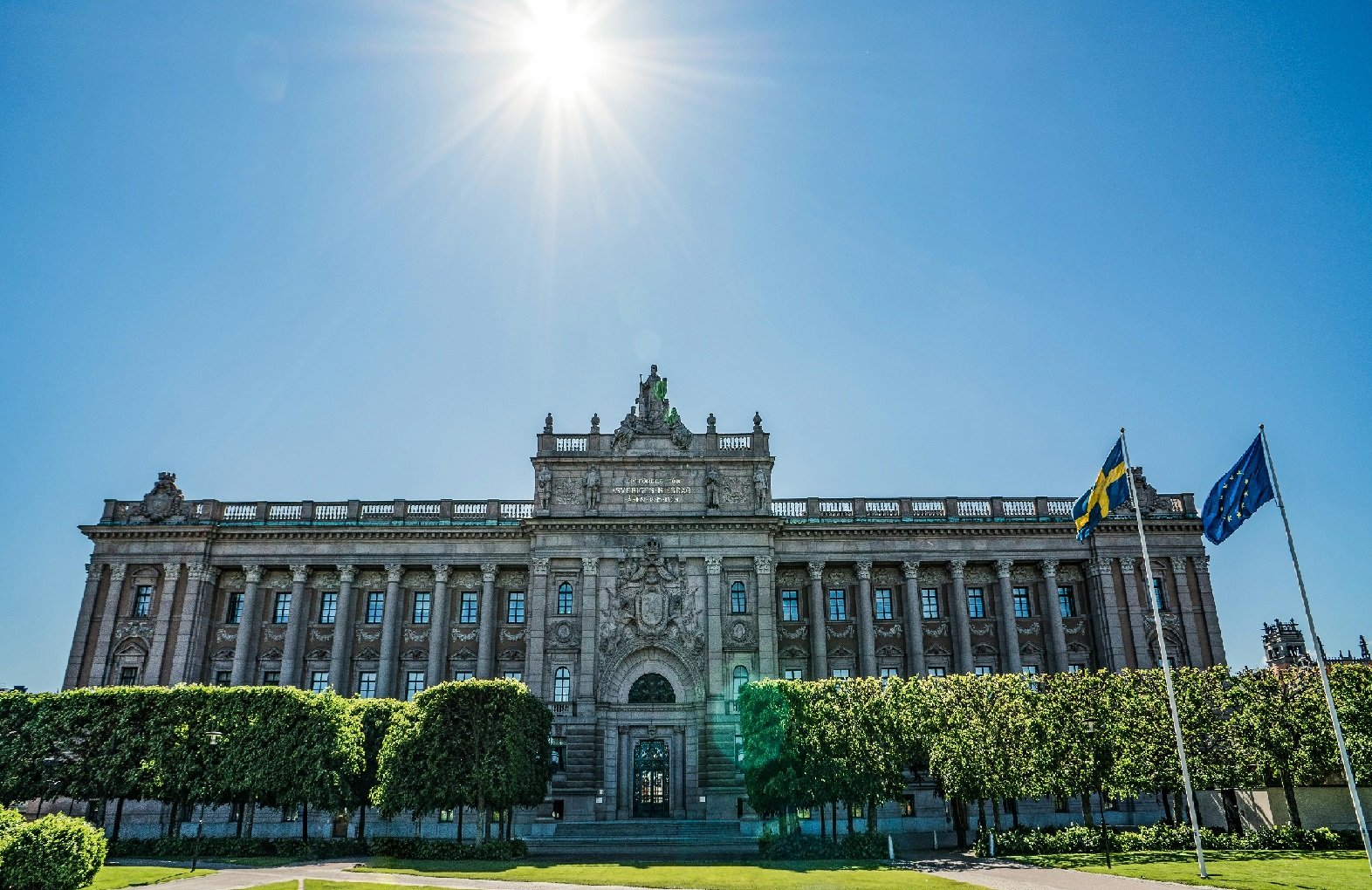
Urban redevelopment is a critical process that cities around the world undertake to revitalize and improve their urban areas. While the goals of urban redevelopment are similar globally – to enhance livability, sustainability, and economic vitality – the approaches taken can vary significantly based on each city's context and unique challenges. In this blog post, we will compare and contrast the urban redevelopment strategies of Sweden, known for its progressive urban planning, and Mumbai, India, a rapidly growing city facing complex urban issues. Sweden, a country renowned for its high quality of life and sustainable urban development practices, has adopted a comprehensive approach to urban redevelopment. Swedish cities prioritize mixed-use development, efficient public transportation, green spaces, and affordable housing to create vibrant and inclusive urban environments. Projects such as the Hammarby Sjöstad eco-district in Stockholm exemplify Sweden's commitment to sustainable urban planning, with features like energy-efficient buildings, renewable energy sources, and efficient waste management systems. On the other hand, Mumbai, India, faces unique challenges due to its rapid population growth, limited space, and inadequate infrastructure. The city's urban redevelopment efforts often focus on addressing critical issues such as slum rehabilitation, overcrowding, and transportation congestion. Projects like the Dharavi Redevelopment Plan aim to transform Asia's largest slum into a sustainable mixed-use development with improved housing, amenities, and economic opportunities for residents. One key difference between urban redevelopment in Sweden and Mumbai is the role of community engagement. In Sweden, public participation is a cornerstone of urban planning processes, with local communities, stakeholders, and residents actively involved in decision-making and design initiatives. In Mumbai, community engagement can be more challenging due to diverse interests, bureaucratic hurdles, and informal settlements, requiring innovative approaches to ensure inclusive redevelopment that meets the needs of all residents. Another contrast lies in the funding and implementation of urban redevelopment projects. In Sweden, public-private partnerships and government subsidies play a significant role in financing sustainable urban development initiatives. In Mumbai, funding sources can be more diverse, with a mix of government investments, private sector involvement, and international collaborations driving urban renewal efforts in different parts of the city. In conclusion, urban redevelopment in Sweden and Mumbai reflects the broader global trends of sustainable development, community empowerment, and innovative solutions to urban challenges. While both cities face distinct urban issues and opportunities, their approaches to urban redevelopment showcase the importance of context-specific strategies that prioritize environmental sustainability, social equity, and economic prosperity for all residents. By learning from each other's experiences and best practices, cities around the world can continue to shape more resilient, inclusive, and livable urban environments for future generations. For an in-depth examination, refer to https://www.indiatokorea.com For the latest insights, read: https://www.todelhi.com Looking for more information? Check out https://www.tomumbai.com
https://desencadenar.org
https://constructional.org
Leave a Comment:
SEARCH
Recent News
- Sweden is known for its high-quality wool products, including wool stoles. Wool stoles are a versatile accessory that can add a touch of elegance and warmth to any outfit. They are perfect for layering during colder months or adding a pop of color to a simple ensemble.
- Winter in Sweden is a magical time when the landscape is blanketed in snow, and the crisp air fills the senses. One essential accessory for staying warm and cozy during the Swedish winter is a stylish stole. Stoles are versatile pieces that can be worn in different ways to add a touch of elegance and warmth to any outfit.
- Sweden is known for its breathtaking natural landscapes and diverse wildlife. From the dense forests to the crystal-clear lakes, this Scandinavian country is a haven for many species of animals. Wildlife conservation plays a crucial role in preserving the rich biodiversity that Sweden has to offer.
- Sweden and Vancouver are two regions known for their thriving startup ecosystems. In Sweden, cities like Stockholm and Gothenburg have established themselves as major hubs for technology and innovation, while Vancouver in Canada has also seen a rise in the number of successful startups in recent years. Let's take a look at some of the top startups in these regions:
- Sweden and Vancouver are two thriving cities known for their strong export and import industries. Both locations have a diverse range of products and services that they trade with the rest of the world, contributing significantly to their respective economies.
- Sweden and Vancouver may be located on opposite sides of the globe, but they share a common interest in business and entrepreneurship. Both regions have vibrant economies and provide attractive opportunities for businesses to thrive.
- Sweden and Vancouver are two cities known for their thriving business environments and top companies. In Sweden, companies like Spotify, H&M, and Volvo are some of the most well-known and successful companies that have made a global impact. These companies are known for their innovation, sustainability practices, and commitment to employee well-being.
- As a digital assistant, I generate blog content based on the information provided. Here is a draft for a blog post on the topic of business support programs in Sweden and the UK:
READ MORE
9 months ago Category :

Sweden is known for its high-quality wool products, including wool stoles. Wool stoles are a versatile accessory that can add a touch of elegance and warmth to any outfit. They are perfect for layering during colder months or adding a pop of color to a simple ensemble.
Read More →9 months ago Category :

Winter in Sweden is a magical time when the landscape is blanketed in snow, and the crisp air fills the senses. One essential accessory for staying warm and cozy during the Swedish winter is a stylish stole. Stoles are versatile pieces that can be worn in different ways to add a touch of elegance and warmth to any outfit.
Read More →9 months ago Category :

Sweden is known for its breathtaking natural landscapes and diverse wildlife. From the dense forests to the crystal-clear lakes, this Scandinavian country is a haven for many species of animals. Wildlife conservation plays a crucial role in preserving the rich biodiversity that Sweden has to offer.
Read More →9 months ago Category :
