Starting a business in Sweden: Key Laws and Regulations for UK Startups
Category : | Sub Category : Posted on 2024-10-05 22:25:23
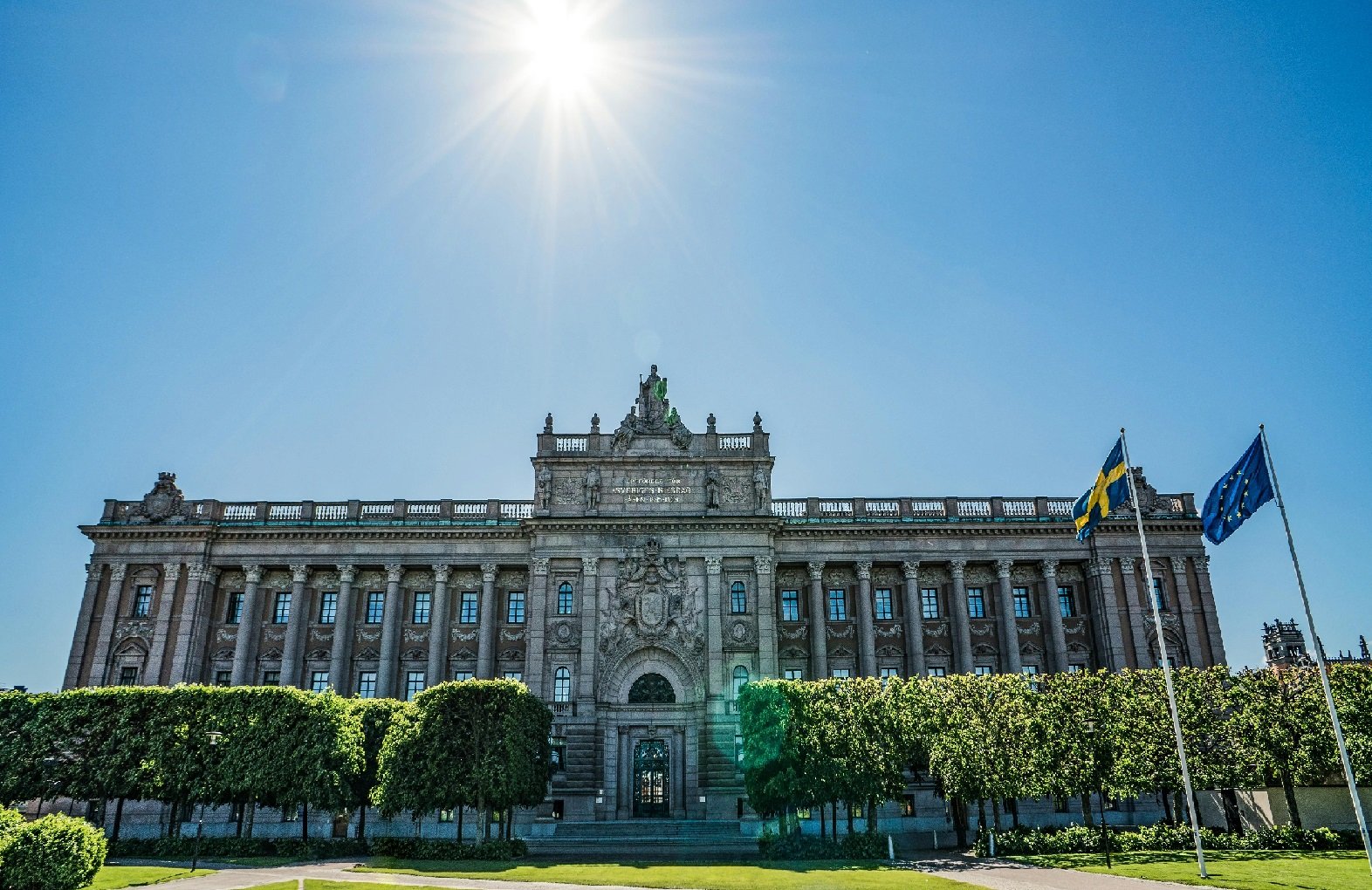
Sweden has been a popular destination for UK startups looking to expand internationally due to its stable economy, skilled workforce, and supportive business environment. However, like any country, Sweden has its own set of laws and regulations that UK startups need to navigate when setting up business operations in the country. In this blog post, we will discuss some of the key laws and regulations that UK startups need to be aware of when starting a business in Sweden. 1. Company Formation: One of the first steps for UK startups looking to establish a presence in Sweden is to choose the right legal structure for their business. Common business structures in Sweden include limited liability companies (aktiebolag) and branch offices. UK startups will need to register their business with the Swedish Companies Registration Office (Bolagsverket) and comply with the relevant company laws and regulations. 2. Employment and Labor Laws: UK startups hiring employees in Sweden must comply with the country's employment and labor laws, which are known for providing strong protections for workers. Employers in Sweden need to adhere to regulations related to working hours, wages, holidays, and employee rights. UK startups should familiarize themselves with the Swedish Employment Protection Act and other labor laws to ensure compliance. 3. Data Protection and GDPR: Data protection is a key concern for businesses operating in Sweden, especially since the introduction of the General Data Protection Regulation (GDPR) in the European Union. UK startups collecting and processing personal data from Swedish customers or employees must comply with the GDPR requirements, which include obtaining consent for data processing, ensuring data security, and respecting individuals' privacy rights. 4. Taxation: Understanding Sweden's tax system is essential for UK startups looking to operate in the country. Sweden has a complex tax regime, with various taxes imposed on businesses, including corporate income tax, VAT, and employer payroll taxes. UK startups should seek advice from tax professionals to ensure compliance with Swedish tax laws and benefit from available tax incentives and deductions. 5. Intellectual Property Rights: Protecting intellectual property is crucial for UK startups expanding to Sweden. Intellectual property rights, including trademarks, patents, and copyrights, are governed by Swedish laws and regulations. UK startups should consider registering their intellectual property in Sweden to secure exclusive rights and prevent infringement. In conclusion, UK startups looking to establish a presence in Sweden need to be aware of the country's laws and regulations governing company formation, employment, data protection, taxation, and intellectual property. By understanding and complying with these legal requirements, UK startups can navigate the regulatory landscape in Sweden successfully and set the foundation for a successful business expansion. Also Check the following website https://www.makk.org Want a deeper understanding? https://www.continuar.org
https://continuar.org
https://vollmacht.org
Leave a Comment:
SEARCH
Recent News
- Sweden is known for its high-quality wool products, including wool stoles. Wool stoles are a versatile accessory that can add a touch of elegance and warmth to any outfit. They are perfect for layering during colder months or adding a pop of color to a simple ensemble.
- Winter in Sweden is a magical time when the landscape is blanketed in snow, and the crisp air fills the senses. One essential accessory for staying warm and cozy during the Swedish winter is a stylish stole. Stoles are versatile pieces that can be worn in different ways to add a touch of elegance and warmth to any outfit.
- Sweden is known for its breathtaking natural landscapes and diverse wildlife. From the dense forests to the crystal-clear lakes, this Scandinavian country is a haven for many species of animals. Wildlife conservation plays a crucial role in preserving the rich biodiversity that Sweden has to offer.
- Sweden and Vancouver are two regions known for their thriving startup ecosystems. In Sweden, cities like Stockholm and Gothenburg have established themselves as major hubs for technology and innovation, while Vancouver in Canada has also seen a rise in the number of successful startups in recent years. Let's take a look at some of the top startups in these regions:
- Sweden and Vancouver are two thriving cities known for their strong export and import industries. Both locations have a diverse range of products and services that they trade with the rest of the world, contributing significantly to their respective economies.
- Sweden and Vancouver may be located on opposite sides of the globe, but they share a common interest in business and entrepreneurship. Both regions have vibrant economies and provide attractive opportunities for businesses to thrive.
- Sweden and Vancouver are two cities known for their thriving business environments and top companies. In Sweden, companies like Spotify, H&M, and Volvo are some of the most well-known and successful companies that have made a global impact. These companies are known for their innovation, sustainability practices, and commitment to employee well-being.
- As a digital assistant, I generate blog content based on the information provided. Here is a draft for a blog post on the topic of business support programs in Sweden and the UK:
READ MORE
10 months ago Category :

Sweden is known for its high-quality wool products, including wool stoles. Wool stoles are a versatile accessory that can add a touch of elegance and warmth to any outfit. They are perfect for layering during colder months or adding a pop of color to a simple ensemble.
Read More →10 months ago Category :

Winter in Sweden is a magical time when the landscape is blanketed in snow, and the crisp air fills the senses. One essential accessory for staying warm and cozy during the Swedish winter is a stylish stole. Stoles are versatile pieces that can be worn in different ways to add a touch of elegance and warmth to any outfit.
Read More →10 months ago Category :

Sweden is known for its breathtaking natural landscapes and diverse wildlife. From the dense forests to the crystal-clear lakes, this Scandinavian country is a haven for many species of animals. Wildlife conservation plays a crucial role in preserving the rich biodiversity that Sweden has to offer.
Read More →10 months ago Category :
