Exploring the Dynamics of Assets and Money Transfer between Indian Businesses and Sweden
Category : | Sub Category : Posted on 2024-10-05 22:25:23
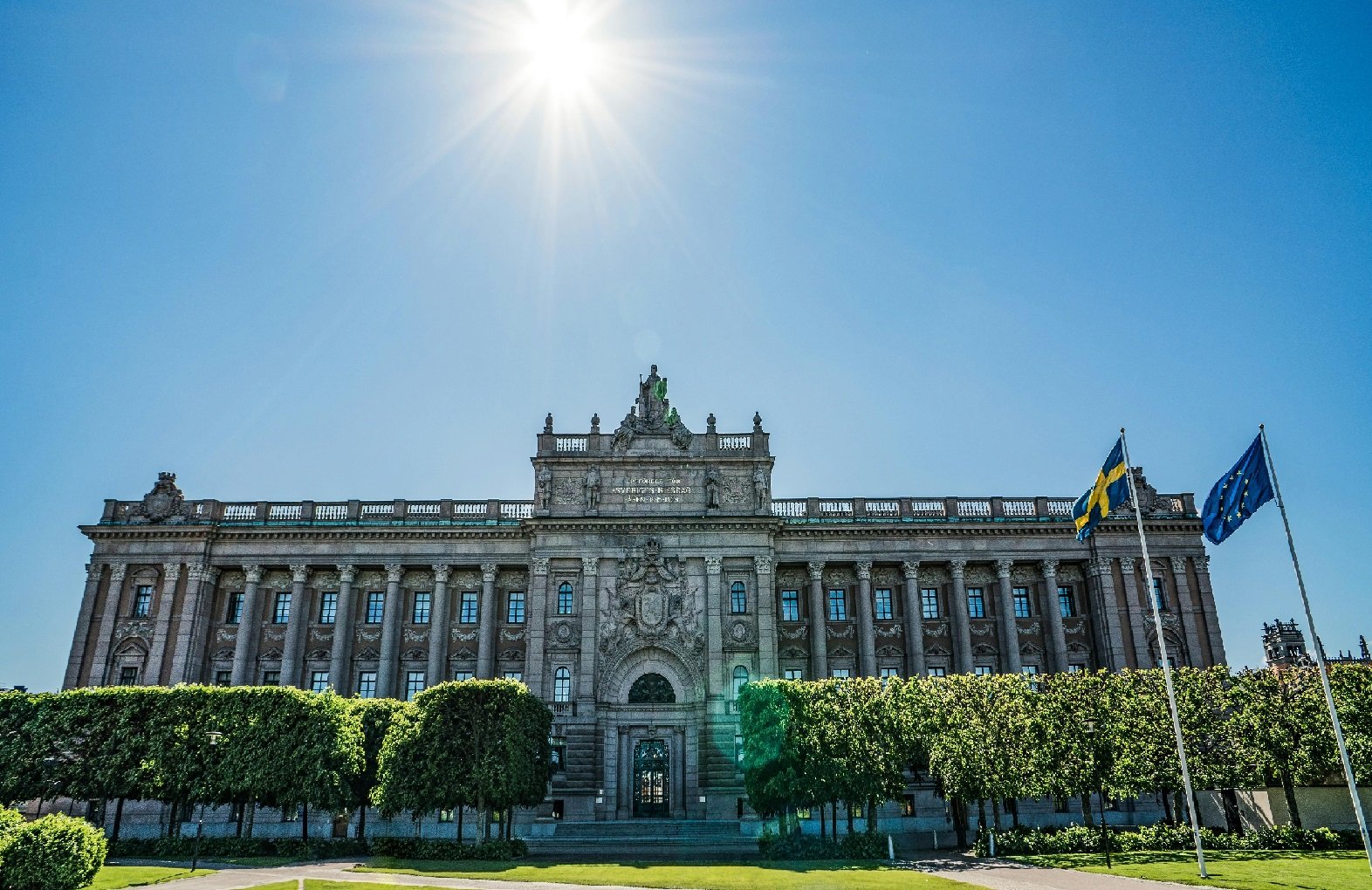
In today's interconnected global economy, the flow of assets and money between different countries has become increasingly common. One particular corridor that has seen significant activity is the transfer of assets and funds between Indian Businesses and entities in Sweden. This exchange of assets and money plays a crucial role in fostering economic ties and driving growth in both countries. In this blog post, we will delve into the dynamics of this relationship and explore the key factors influencing such transactions. 1. Economic Cooperation: India and Sweden have a longstanding history of economic cooperation, with both countries recognizing the importance of trade and investment in driving growth. The transfer of assets and money between Indian businesses and Sweden is a reflection of this bilateral relationship, with companies from both countries seeking opportunities to expand their operations and reach new markets. 2. Investment Opportunities: Sweden is known for its innovation and technology-driven economy, making it an attractive destination for Indian businesses looking to invest in sectors such as renewable energy, healthcare, and information technology. The transfer of assets from India to Sweden often involves strategic investments in companies or projects that offer promising growth prospects. 3. Diversification of Portfolios: Indian businesses are increasingly looking to diversify their asset portfolios by investing in international markets such as Sweden. This diversification helps reduce risk and exposure to domestic market fluctuations, while also providing access to new growth opportunities and technologies. 4. Regulatory Environment: When transferring assets and money between India and Sweden, businesses need to navigate the regulatory environments of both countries. Understanding the legal and tax implications of such transactions is crucial to ensure compliance and minimize risks. Working with experienced legal and financial experts can help facilitate smooth asset transfers and investments. 5. Technological Advancements: The advancement of financial technologies has made cross-border asset transfers and money transactions more efficient and cost-effective. Digital platforms and blockchain technology are increasingly being used to streamline the process of transferring assets between Indian businesses and counterparts in Sweden, reducing transaction times and costs. 6. Exchange Rate Considerations: Fluctuations in currency exchange rates can impact the value of asset transfers between India and Sweden. Businesses need to carefully consider exchange rate risks and implement strategies to mitigate potential currency fluctuations. Using hedging instruments or entering into currency swap agreements can help manage these risks effectively. In conclusion, the transfer of assets and money between Indian businesses and Sweden is a dynamic process driven by economic cooperation, investment opportunities, regulatory considerations, technological advancements, and exchange rate factors. By understanding the complexities of cross-border transactions and leveraging the right resources, businesses can navigate this landscape successfully and capitalize on the growth potential offered by this bilateral relationship.
https://continuar.org
Leave a Comment:
SEARCH
Recent News
- Sweden is known for its high-quality wool products, including wool stoles. Wool stoles are a versatile accessory that can add a touch of elegance and warmth to any outfit. They are perfect for layering during colder months or adding a pop of color to a simple ensemble.
- Winter in Sweden is a magical time when the landscape is blanketed in snow, and the crisp air fills the senses. One essential accessory for staying warm and cozy during the Swedish winter is a stylish stole. Stoles are versatile pieces that can be worn in different ways to add a touch of elegance and warmth to any outfit.
- Sweden is known for its breathtaking natural landscapes and diverse wildlife. From the dense forests to the crystal-clear lakes, this Scandinavian country is a haven for many species of animals. Wildlife conservation plays a crucial role in preserving the rich biodiversity that Sweden has to offer.
- Sweden and Vancouver are two regions known for their thriving startup ecosystems. In Sweden, cities like Stockholm and Gothenburg have established themselves as major hubs for technology and innovation, while Vancouver in Canada has also seen a rise in the number of successful startups in recent years. Let's take a look at some of the top startups in these regions:
- Sweden and Vancouver are two thriving cities known for their strong export and import industries. Both locations have a diverse range of products and services that they trade with the rest of the world, contributing significantly to their respective economies.
- Sweden and Vancouver may be located on opposite sides of the globe, but they share a common interest in business and entrepreneurship. Both regions have vibrant economies and provide attractive opportunities for businesses to thrive.
- Sweden and Vancouver are two cities known for their thriving business environments and top companies. In Sweden, companies like Spotify, H&M, and Volvo are some of the most well-known and successful companies that have made a global impact. These companies are known for their innovation, sustainability practices, and commitment to employee well-being.
- As a digital assistant, I generate blog content based on the information provided. Here is a draft for a blog post on the topic of business support programs in Sweden and the UK:
READ MORE
11 months ago Category :

Sweden is known for its high-quality wool products, including wool stoles. Wool stoles are a versatile accessory that can add a touch of elegance and warmth to any outfit. They are perfect for layering during colder months or adding a pop of color to a simple ensemble.
Read More →11 months ago Category :

Winter in Sweden is a magical time when the landscape is blanketed in snow, and the crisp air fills the senses. One essential accessory for staying warm and cozy during the Swedish winter is a stylish stole. Stoles are versatile pieces that can be worn in different ways to add a touch of elegance and warmth to any outfit.
Read More →11 months ago Category :

Sweden is known for its breathtaking natural landscapes and diverse wildlife. From the dense forests to the crystal-clear lakes, this Scandinavian country is a haven for many species of animals. Wildlife conservation plays a crucial role in preserving the rich biodiversity that Sweden has to offer.
Read More →11 months ago Category :
