The Intersection of Artificial Intelligence, Women in Politics, and Sweden
Category : | Sub Category : Posted on 2024-10-05 22:25:23
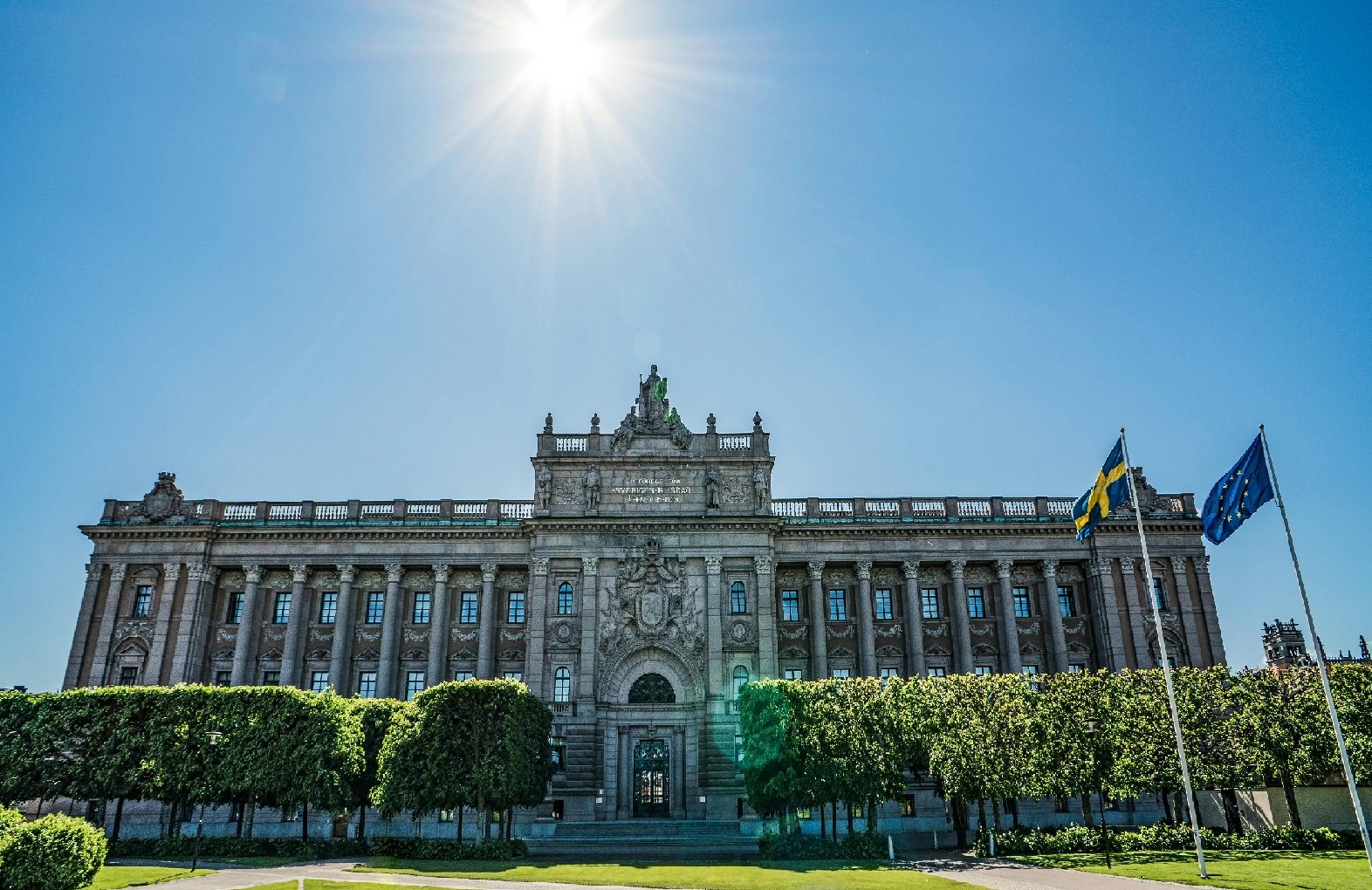
artificial intelligence (AI) is revolutionizing various industries around the world, including the realm of politics. In Sweden, a country known for its progressive stance on gender equality, the impact of AI on women in politics is particularly noteworthy. Let's delve into the intersection of artificial intelligence, women in politics, and Sweden. AI has the potential to enhance various aspects of political campaigns and governance. From data analysis to social media outreach, AI tools can help politicians make informed decisions and reach a broader audience. However, there are concerns about the potential biases that AI systems may perpetuate, especially when it comes to issues related to gender and diversity. In the context of women in politics, AI can be both a tool for empowerment and a source of challenges. On one hand, AI can help female politicians amplify their voices, connect with voters, and address key issues more effectively. For example, AI-powered analytics can provide insights into voter preferences and help tailor campaign messages to resonate with diverse audiences. On the other hand, there are concerns about the impact of AI on gender equality in politics. Research has shown that AI algorithms can reflect and even exacerbate existing biases in society, including gender stereotypes. This raises questions about the fairness of AI systems in political decision-making and the representation of women in leadership positions. In Sweden, known for its progressive policies promoting gender equality, the intersection of AI and women in politics is a topic of interest. The country has been at the forefront of efforts to increase the representation of women in politics, with initiatives such as quotas for female candidates in elections. AI tools could potentially support these efforts by providing data-driven insights into the barriers that women face in political leadership roles. However, it is essential to ensure that AI systems are developed and deployed in a way that is transparent, accountable, and fair. This includes addressing bias in AI algorithms, promoting diversity in AI development teams, and engaging with stakeholders to understand and mitigate the potential risks of AI in politics. In conclusion, the intersection of artificial intelligence, women in politics, and Sweden presents both opportunities and challenges. By leveraging AI tools effectively and addressing concerns about bias and representation, we can work towards a more inclusive and equitable political landscape where women have equal opportunities to participate in decision-making processes. Sweden's commitment to gender equality provides a solid foundation for navigating these complex issues and shaping a future where AI supports, rather than hinders, the advancement of women in politics.
Leave a Comment:
SEARCH
Recent News
- Sweden is known for its high-quality wool products, including wool stoles. Wool stoles are a versatile accessory that can add a touch of elegance and warmth to any outfit. They are perfect for layering during colder months or adding a pop of color to a simple ensemble.
- Winter in Sweden is a magical time when the landscape is blanketed in snow, and the crisp air fills the senses. One essential accessory for staying warm and cozy during the Swedish winter is a stylish stole. Stoles are versatile pieces that can be worn in different ways to add a touch of elegance and warmth to any outfit.
- Sweden is known for its breathtaking natural landscapes and diverse wildlife. From the dense forests to the crystal-clear lakes, this Scandinavian country is a haven for many species of animals. Wildlife conservation plays a crucial role in preserving the rich biodiversity that Sweden has to offer.
- Sweden and Vancouver are two regions known for their thriving startup ecosystems. In Sweden, cities like Stockholm and Gothenburg have established themselves as major hubs for technology and innovation, while Vancouver in Canada has also seen a rise in the number of successful startups in recent years. Let's take a look at some of the top startups in these regions:
- Sweden and Vancouver are two thriving cities known for their strong export and import industries. Both locations have a diverse range of products and services that they trade with the rest of the world, contributing significantly to their respective economies.
- Sweden and Vancouver may be located on opposite sides of the globe, but they share a common interest in business and entrepreneurship. Both regions have vibrant economies and provide attractive opportunities for businesses to thrive.
- Sweden and Vancouver are two cities known for their thriving business environments and top companies. In Sweden, companies like Spotify, H&M, and Volvo are some of the most well-known and successful companies that have made a global impact. These companies are known for their innovation, sustainability practices, and commitment to employee well-being.
- As a digital assistant, I generate blog content based on the information provided. Here is a draft for a blog post on the topic of business support programs in Sweden and the UK:
READ MORE
11 months ago Category :

Sweden is known for its high-quality wool products, including wool stoles. Wool stoles are a versatile accessory that can add a touch of elegance and warmth to any outfit. They are perfect for layering during colder months or adding a pop of color to a simple ensemble.
Read More →11 months ago Category :

Winter in Sweden is a magical time when the landscape is blanketed in snow, and the crisp air fills the senses. One essential accessory for staying warm and cozy during the Swedish winter is a stylish stole. Stoles are versatile pieces that can be worn in different ways to add a touch of elegance and warmth to any outfit.
Read More →11 months ago Category :

Sweden is known for its breathtaking natural landscapes and diverse wildlife. From the dense forests to the crystal-clear lakes, this Scandinavian country is a haven for many species of animals. Wildlife conservation plays a crucial role in preserving the rich biodiversity that Sweden has to offer.
Read More →11 months ago Category :
